When you’re preparing a baby gift basket, you might picture a colorful assortment of plush toys, organic baby wipes, and a cute onesie. But what if the little one you’re gifting has a food or skin allergy? Knowing how to handle allergies in a baby gift basket is essential to avoid a rash or worse. This article walks you through the steps to create a thoughtful, allergy‑safe basket that will make parents feel secure and the baby feel loved.
Understanding Baby Allergies and Gift Baskets
Common Allergens in Baby Products
Many parents assume baby items are automatically safe, but that’s a dangerous misconception. The most frequent allergens in baby products include:
- Latex – found in pacifier rings, bottle nipples, and some diaper clips. Dairy – present in many baby shampoos and lotions. Soy – often hidden in fragrance or preservatives. Wheat – can appear in powdered baby formula or even in the packaging.
Even a single ingredient can trigger an allergic reaction, so a careful review of each item’s ingredient list is non‑negotiable.
Why a Gift Basket Needs Allergy Awareness
Imagine opening a basket and finding a plush toy with a latex seam that gives the baby an itchy rash. That’s not just a mishap—it’s a missed opportunity to show care. By being proactive, you demonstrate respect for the family’s health needs and build trust. It’s like walking a tightrope: you’re balancing excitement with safety, and a misstep could mean a fall.
Steps to Build an Allergy‑Safe Baby Gift Basket
Researching the Recipient’s Allergies
Before you even pick up a toy, ask the parents or caregivers:
- What are the baby’s known allergies? Do they have any environmental sensitivities? Is there a preference for organic or hypoallergenic products?
If the family has a detailed allergy list, keep it Soft toys handy. If not, consider a universal approach: choose items labeled “hypoallergenic” or “for sensitive skin.”
Choosing Non‑Allergenic Items
Here are key categories to focus on, with allergy‑friendly options:
- Clothing – 100% organic cotton or bamboo fabrics, no dyes. Bath & Body – fragrance‑free, dye‑free, and dairy‑free lotions or washes. Feeding – hypoallergenic baby cereal or pureed fruit packs. Toys – silicone or wooden toys free from latex and heavy metals. Accessories – silicone pacifiers, silicone teethers, and cotton burp cloths.
When in doubt, read the ingredient list or look for certifications such as “Certified Organic” or “Allergy Friendly.”

Packaging and Labeling Tips
Even if the items themselves are safe, packaging can introduce allergens. Use:
- Plastic-free wrapping – paper or cloth bags. Clear labeling – write “Allergy‑Safe” or “Hypoallergenic” on a sticky note. Separate compartments – keep food items in a resealable bag, separate from toys.
A well‑labeled basket is like a passport for the baby—proof that you’ve considered their health.
Practical Examples of Allergy‑Friendly Gift Basket Items
Below is a sample list you can adapt, ensuring each item meets allergy criteria:
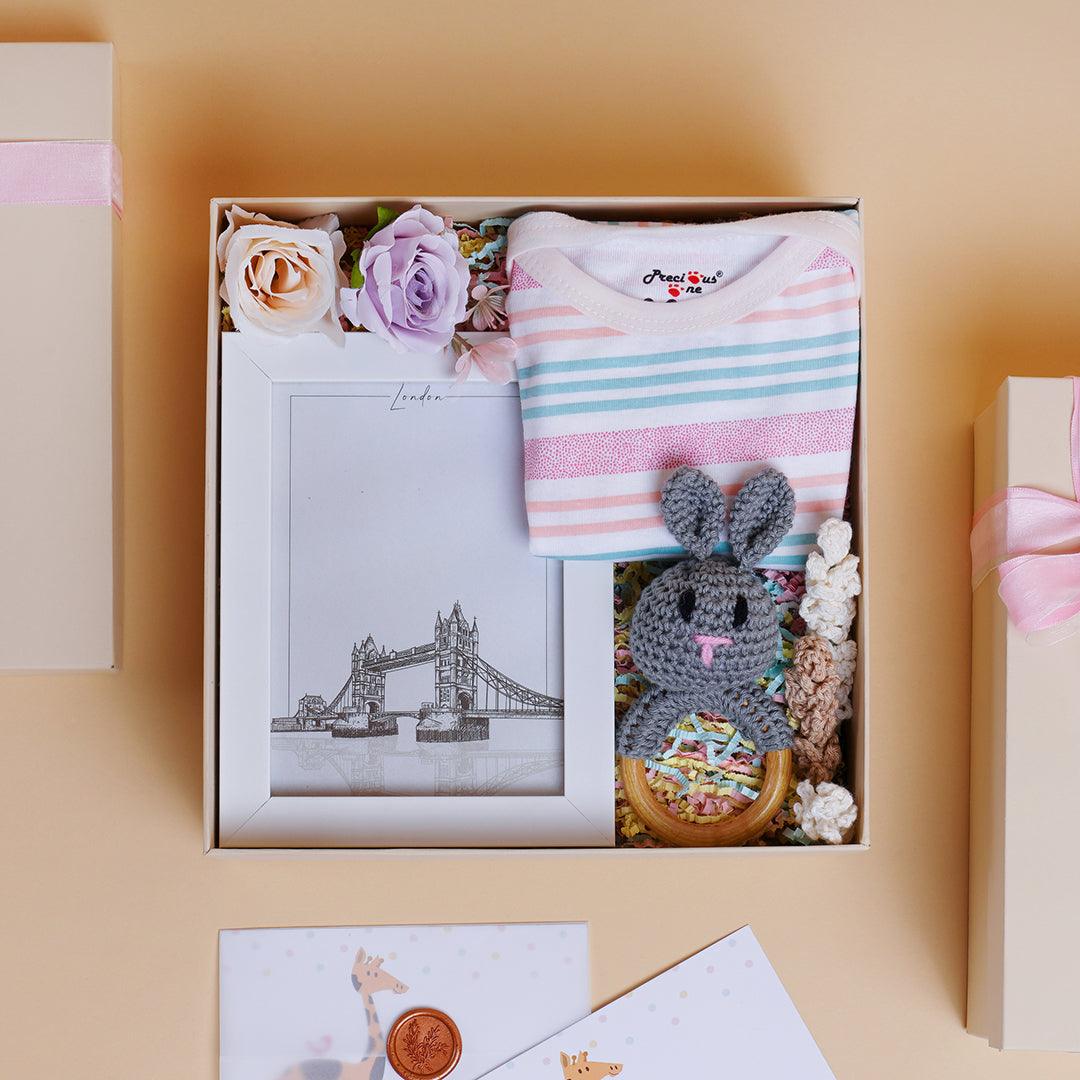
- 3‑pack of organic cotton baby onesies (size 6–9 months). Silicone teething ring (free of latex). 2‑pack of hypoallergenic baby wipes (no fragrance, no parabens). 1‑pack of dairy‑free, soy‑free baby shampoo. 4‑pack of organic cotton burp cloths. 1‑pack of allergy‑friendly baby food pouches (e.g., sweet potato puree). A small silicone pacifier (no metal or plastic parts). A soft plush toy made from 100% cotton, with no seams or glued parts.
Each item is chosen to avoid the most common allergens while still offering comfort and joy.
A Real‑World Anecdote
I once received a baby gift basket for a cousin’s newborn. The basket looked perfect—soft blankets, a cute animal plush, and a “welcome” card. The next morning, the baby’s mom called, eyes red from crying, because the plush had a latex seam that caused an itchy rash. We laughed later, but the incident reminded me that the safest gifts are those that consider every possible allergy trigger.
Expert Advice and Quotes
Dr. Maya Patel, a pediatric allergist, reminds us: “When you’re unsure, err on the side of caution. A single allergen can cause a severe reaction.” This advice is especially relevant when curating a gift basket that may be used in various environments—from a Laundry hampers hospital room to a home kitchen.
Rhetorical Questions
- Have you ever opened a baby gift basket and felt uneasy about hidden allergens? What would you do if you discovered an allergen after the baby had already used the item? How can you ensure your gift is both thoughtful and safe?
These questions help you stay vigilant and thoughtful throughout the process.
The Perfect Gift Awaits
Choosing a baby gift basket that respects allergies isn’t just about avoiding reactions—it’s about showing love in the most considerate way. By researching, selecting hypoallergenic items, and labeling clearly, you create a basket that parents can trust. Remember, the goal is to give a gift that brings joy without compromising safety.
When you hand over your carefully curated basket, you’ll be offering more than a collection of items—you’ll be offering peace of mind. So next time you’re planning a baby shower present, keep these steps in mind and watch your thoughtful gift become a treasured keepsake.
---